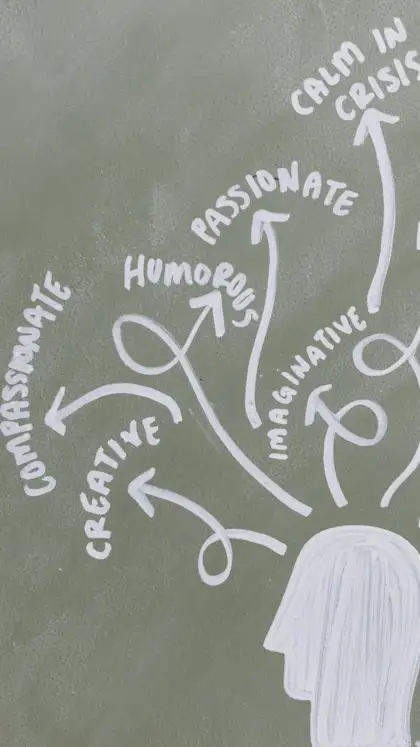
Emotional intelligence: 9 steps to find out how strong you really are
ET Online
Jul 16, 2025

Spotting emotions early
You don’t need drama to know someone’s upset—you notice the shift in tone or expression. Emotional intelligence starts with catching the vibe before it’s loud.
Image Source: iStock
Naming what you feel
You’re not just “off”—you can say you’re anxious, annoyed, or lonely. Being able to label emotions clearly is a sign your EQ radar is working.
Image Source: iStock
Connecting the dots
You don’t just know what you feel—you often know why. That link between your emotions and triggers shows a deeper understanding that many miss.
Image Source: iStock
Pausing, not reacting
Someone pokes you with a snarky comment—but instead of snapping, you breathe. This gap between emotion and action is peak EQ in motion.
Image Source: iStock
Reading people like open books
You know when your friend says “I’m fine” and really means “I’m spiralling.” Reading unspoken emotions is empathy—and it’s the heart of high EQ.
Image Source: iStock
Talking about feelings like it’s normal
You can express feelings without making things awkward. Saying, “That upset me” calmly instead of ghosting? That’s grown-up emotional flexing.
Image Source: iStock
Handling criticism like a pro
You don’t crumble—or punch walls. You listen, weigh it, and sometimes grow from it. High EQ lets you take feedback without making it personal.
Image Source: iStock
Bouncing back after tough days
You feel your emotions fully, but don’t stay stuck. Resilience is part of EQ—processing pain, learning from it, and moving forward with a snack.
Image Source: iStock
Reflecting, not just reacting
You think back on how you felt, what worked, and how to handle it better next time. Emotional intelligence grows in these quiet little reflections.
Image Source: iStock
Thanks For Reading!