9 superfoods that have been discussed in ancient Indian Vedas
ET Online
Jul 14, 2025
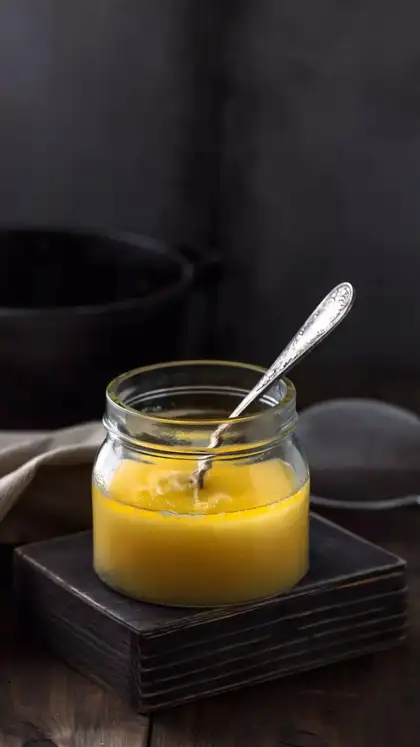
Ghee (ghrita)
Known as ghrita, ghee was used in yajnas and Ayurvedic medicines. It boosts digestion, nourishes brain cells, and improves immunity. Even today, it’s considered the healthiest fat in Indian cooking.
Image Source: iStock
Turmeric (haridra)
Turmeric, praised in Atharvaveda, was valued for purifying blood and healing wounds. Curcumin, its active compound, is a powerful anti-inflammatory and antioxidant used globally in wellness and skincare today.
Image Source: iStock
Sesame Seeds (til)
Called the “seed of immortality,” til is rich in calcium, iron, and healthy fats. Vedas mention it in rituals, while Ayurveda uses it to strengthen bones and balance Vata dosha.
Image Source: iStock
Honey (madhu)
Honey symbolized life and sweetness in Vedic chants. Today, it’s known for its antibacterial properties and is used to treat coughs, improve digestion, and enhance natural energy without refined sugar.
Image Source: iStock
Barley (yava)
Barley, or yava, was central to Vedic offerings. High in fiber and nutrients, it helps manage weight, cholesterol, and blood sugar, making it a smart swap for modern refined grains.
Image Source: iStock
Rock Salt (sendha namak)
Used in sacred fasts and Vedic rituals, sendha namak is loaded with trace minerals. It aids digestion, balances electrolytes, and is gentler on the body than refined table salt.
Image Source: iStock
Ginger (shunthi)
Ginger appears in early Vedic medical texts. It boosts appetite, relieves nausea, and fights inflammation. A staple in Ayurvedic remedies, it’s also revered for balancing Kapha and Vata doshas.
Image Source: iStock
Cow's milk (ksheera)
Cow’s milk was viewed as sacred and strengthening. It's still used in panchamrit and Ayurvedic formulations. Rich in calcium and protein, it supports bone health and acts as a complete food.
Image Source: iStock
Holy basil (tulsi)
Tulsi was worshipped in Vedic homes and used to treat cough, fever, and infections. Known as the “Queen of Herbs,” tulsi tea is now a global wellness staple for immunity.
Image Source: iStock
Thanks For Reading!