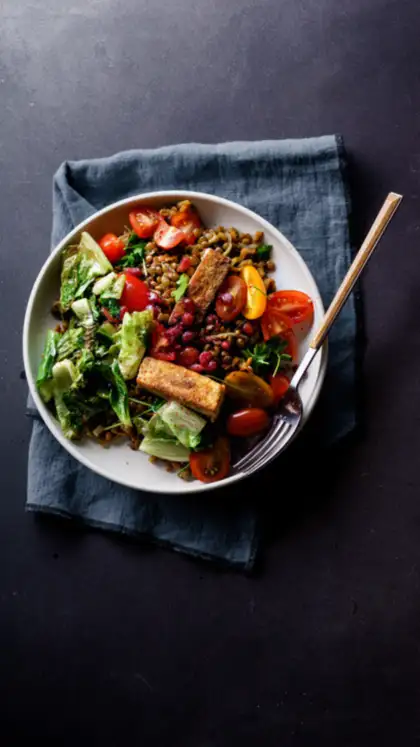
9 high-protein vegetarian foods you should eat every day
ET Online
Aug 24, 2025
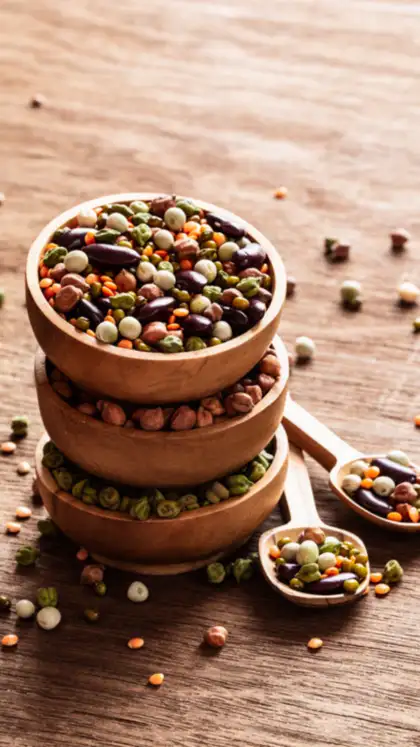
Lentils
Lentils are packed with protein and fiber, making them a vegetarian staple. One cup of cooked lentils offers around 18 grams of protein. They’re perfect in dals, soups, or salads.
Image Source: iStock
Chickpeas
Chickpeas (chana) are versatile and protein-rich, providing about 15 grams per cup. Roast them for a crunchy snack, blend into hummus, or add to curries for a filling protein boost.
Image Source: iStock
Paneer (Cottage Cheese)
Paneer is a favorite vegetarian protein source, containing nearly 14 grams per 100 grams. It’s calcium-rich too, making it excellent for bones. Enjoy it in curries, tikkas, or grilled.
Image Source: iStock
Quinoa
Quinoa is a complete protein, meaning it contains all nine essential amino acids. One cup provides around 8 grams of protein. It’s a healthy substitute for rice and works well in salads.
Image Source: iStock
Soybeans & Tofu
Soy is one of the richest plant proteins. Tofu and soy chunks deliver around 10–20 grams of protein per serving. They’re also heart-healthy and adapt easily to any dish or cuisine.
Image Source: iStock
Nuts & Seeds
Almonds, peanuts, chia, flax, and sunflower seeds provide protein along with healthy fats. Just a handful daily can give 6–8 grams of protein while keeping you energized throughout the day.
Image Source: iStock
Green Peas
Often overlooked, green peas contain about 9 grams of protein per cup. They’re rich in vitamins and fiber too. Add them to pulao, curries, or stir-fries for extra nutrition.
Image Source: iStock
Greek Yogurt
Greek yogurt packs nearly double the protein of regular curd, with about 10 grams per 100 grams. It’s gut-friendly and can be eaten as a snack, smoothie base, or dip.
Image Source: iStock
Rajma
Rajma is not only comforting but also a protein powerhouse with 15 grams per cup. Combined with rice, it provides a complete protein meal, fueling both energy and muscle strength.
Image Source: iStock
Thanks For Reading!