
9 habits to repair your gut after antibiotics
ET Online
Jul 17, 2025
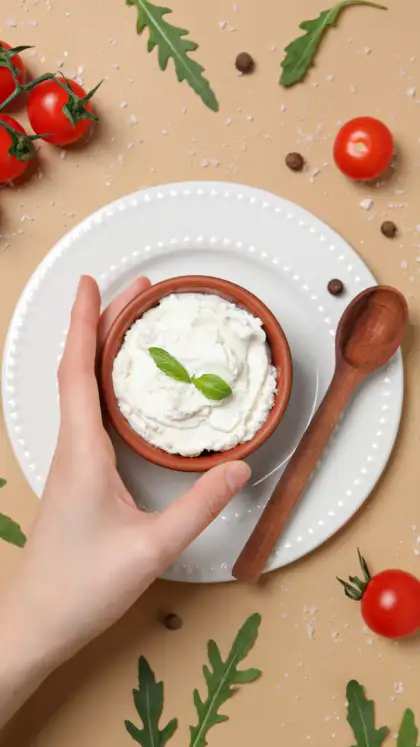
Start with probiotic-rich foods
Fermented foods like curd (dahi), kefir, kimchi, and pickles restore good bacteria. Add a small portion daily to help repopulate your gut with helpful microbes.
Image Source: canva
Feed your gut with prebiotics
Prebiotics are fibres that feed the good bacteria. Foods like onions, garlic, bananas, oats, and cooked (then cooled) rice are great to include every day.
Image Source: canva
Avoid sugar and ultra-processed food
Sugar fuels harmful bacteria and yeast. After antibiotics, your gut is vulnerable—so skip packaged snacks, soft drinks, and excess sweets to let good bacteria thrive.
Image Source: canva
Stay hydrated—but smartly
Water helps flush toxins and keep digestion smooth. But avoid overdoing caffeine and sugary drinks, which can irritate your gut lining and slow recovery.
Image Source: canva
Don’t rush fibre—reintroduce gradually
Your gut might be sensitive post-antibiotics. Too much fibre too fast can cause gas or discomfort. Slowly increase veggies, lentils, and whole grains to support healing.
Image Source: canva
Sleep at regular hours
Your gut bacteria have a circadian rhythm too. Irregular sleep disrupts them, lowering diversity and slowing recovery. Aim for 7–8 hours of consistent, restful sleep.
Image Source: canva
Avoid unnecessary medications
Painkillers, antacids, and laxatives can irritate your gut further. Only use them when needed—and consult a doctor before combining them with your gut-healing routine.
Image Source: canva
Keep stress in check
Stress impacts your gut directly through the gut-brain axis. Try walking, meditation, journaling, or screen breaks. A calmer mind helps your microbes thrive.
Image Source: canva
Heal slowly
Don’t rush it. It can take weeks (sometimes months) for your gut to recover. Be patient, stay consistent, and listen to your body. These small daily habits can lead to stronger digestion, better mood, and long-term health.
Image Source: canva
Thanks For Reading!