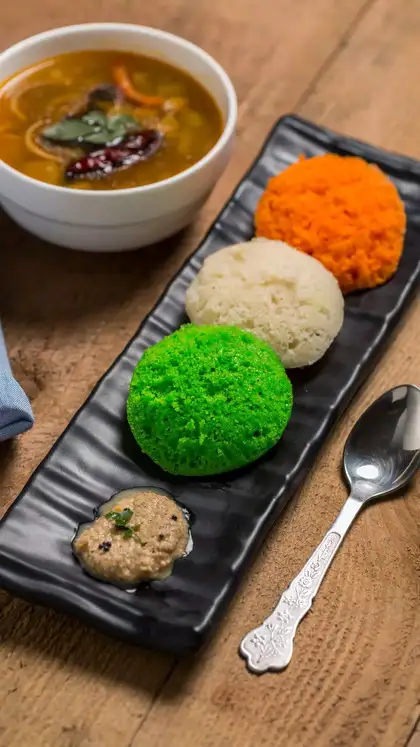
9 freedom-era Indian dishes that carry the taste of history
ET Online
Aug 14, 2025
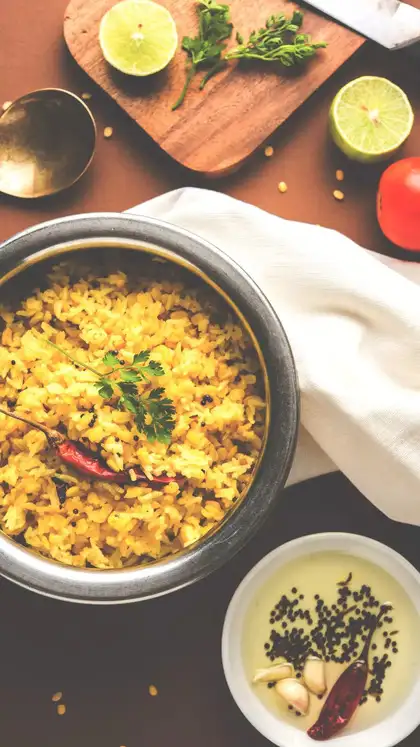
Khichdi
A symbol of simplicity, khichdi was the go-to meal for common folk during the freedom era. Affordable, filling, and easy to make, it was served in homes, ashrams, and even by freedom fighters during travels.
Image Source: iStock
Poori-aloo
Poori with spiced aloo sabzi was often served during community gatherings, protests, and marches. Its portability made it ideal for long days spent in the freedom struggle.
Image Source: iStock
Chana chaat
Sold near protest venues and railway stations, spicy boiled chickpeas became a quick bite for activists on the move, keeping hunger at bay while discussions on change brewed.
Image Source: iStock
Sarson ka saag & makki di roti
In rural Punjab, farmers and freedom fighters found nourishment in this earthy combination, symbolizing self-reliance and connection to the land they fought to protect.
Image Source: iStock
Daal baati and churma
In Rajasthan, dal baati was the sustenance for villagers and rebels alike, baked in open fires during secret gatherings.
Image Source: iStock
Idli , sambhar & chutney
In South India, steaming idlis wrapped in banana leaves made discreet travel meals for activists, sustaining them through train journeys and underground meetings.
Image Source: iStock
Mishti doi
In Bengal, mishti doi was more than dessert, it was part of celebrations after successful protests or upon welcoming leaders home from prison.
Image Source: iStock
Vada pav
The early version of the Bombay sandwich, spiced vegetables between soft pav bread, was an urban and rural snack enjoyed by students, journalists, and workers spreading nationalist ideas on streets.
Image Source: iStock
Sattu paratha
In Bihar and eastern Uttar Pradesh, sattu-stuffed parathas were favored for their long-lasting energy, perfect for farmers and activists who needed strength for rallies and resistance work.
Image Source: iStock
Thanks For Reading!