9 diabetes signs that show early in your eyes
ET Online
Aug 14, 2025
Blurry vision
Fluctuating blood sugar can cause your eye lens to swell, distorting focus. This results in sudden blurry vision, making it harder to read, drive, or see details clearly in daily activities.
Image Source: iStock
Dry eyes
Diabetes may reduce tear production, leaving your eyes dry, itchy, and irritated. This constant discomfort can also make wearing contact lenses painful and increase the risk of corneal scratches.
Image Source: iStock
Frequent eye infections
High blood sugar weakens immunity, increasing the risk of styes, conjunctivitis, or other eye infections. Recurring redness, swelling, or pus in the eyes should never be ignored by diabetics.
Image Source: iStock
Slow-healing eye injuries
Minor scratches or injuries on the eye’s surface may take longer to heal if you have diabetes. Delayed recovery increases infection risk and can cause long-term corneal or retinal damage.
Image Source: iStock
Floaters
Seeing small spots, specks, or thread-like shapes drifting in your vision may signal early diabetic retinopathy. These floaters occur when tiny blood vessels leak inside the eye’s retina.
Image Source: iStock
Double vision
Uncontrolled diabetes can damage the eye’s nerves, leading to double vision. You may see overlapping images, making it hard to judge distance, walk steadily, or perform simple daily tasks.
Image Source: iStock
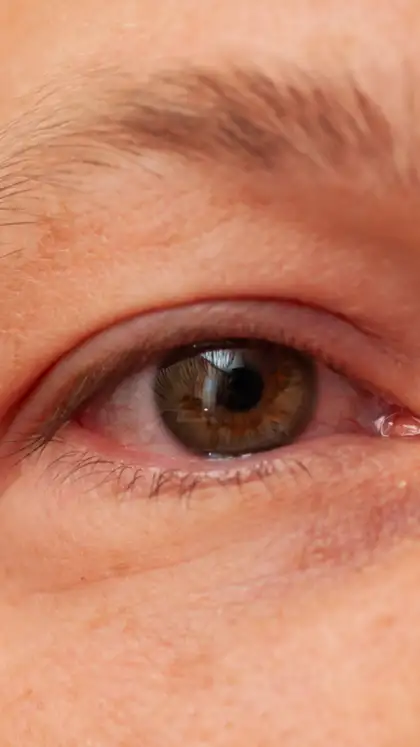
Red eyes
Burst or swollen blood vessels in the eye can cause redness. In diabetics, this may be due to high sugar levels damaging fragile vessels inside the eyes.
Image Source: iStock
Eye pain or pressure
Persistent discomfort, aching, or a feeling of pressure behind the eyes can indicate glaucoma. Diabetes significantly raises the risk of this vision-threatening condition if untreated early.
Image Source: iStock
Sudden vision loss
Abrupt loss of sight in one or both eyes is a medical emergency. It may be caused by bleeding in the retina from advanced diabetic retinopathy or stroke.
Image Source: iStock
Thanks For Reading!