
9 desi fermented foods that heal the gut naturally
ET Online
Jul 15, 2025
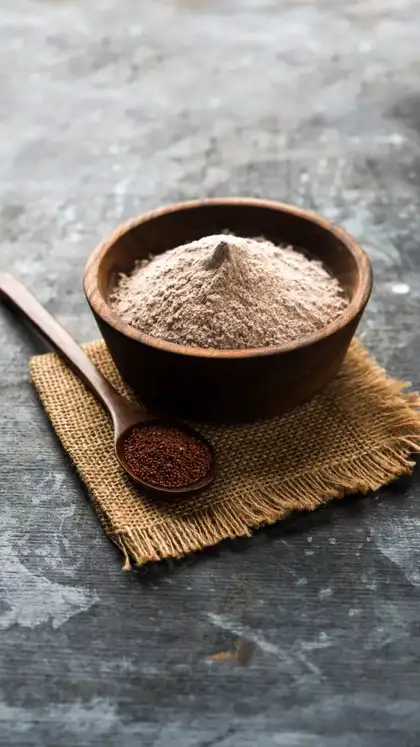
Ambali (fermented ragi drink)
Popular in Odisha and Karnataka, Ambali is made from ragi flour fermented overnight. Cooling, light, and probiotic-rich, it improves digestion and is a traditional remedy for acidity and heat.
Image Source: iStock
Baasi bhaat (fermented rice)
In Bihar and Chhattisgarh, leftover rice soaked overnight becomes a probiotic breakfast called baasi bhaat. Mixed with onion, salt, or curd, it cools the stomach and improves gut flora.
Image Source: iStock
Gundruk (fermented leafy greens)
A Himalayan staple in Sikkim and Nepalese households, gundruk is made by fermenting mustard or radish leaves. Rich in fiber and lactic acid bacteria, it boosts digestion and immunity.
Image Source: iStock
Chhaach (spiced buttermilk)
Made from leftover curd churned with water and spices, chhaach is a probiotic drink from across rural India. It cools the gut, aids nutrient absorption, and prevents bloating naturally.
Image Source: iStock
Kanji (fermented carrot or beet drink)
In North India, black carrots or beets are fermented with mustard and salt to make kanji. Rich in gut-friendly bacteria, it’s a tangy, immunity-boosting drink during winters and Holi.
Image Source: iStock
Kala bhaat (fermented black rice)
Tribal regions in Assam and Bengal prepare kala bhaat, fermented black rice eaten with salt and mustard oil. It supports digestion, improves iron absorption, and is rich in antioxidants.
Image Source: iStock
Fermented green chili pickle
Common in rural Gujarat and Rajasthan, green chilies are fermented in lemon juice and salt. It enhances digestion, stimulates appetite, and helps balance gut bacteria when eaten in moderation.
Image Source: iStock
Fermented garlic pickle
Across Indian households, garlic is fermented in mustard oil, spices, and lemon juice. This tangy pickle boosts gut flora, enhances digestion, and offers powerful antibacterial and anti-inflammatory properties.
Image Source: iStock
Homemade dahi (curd)
Perhaps India’s most beloved fermented food, dahi is packed with natural probiotics that aid digestion, boost immunity, and cool the gut. Eaten daily with meals, it's the cornerstone of Indian wellness.
Image Source: iStock
Thanks For Reading!