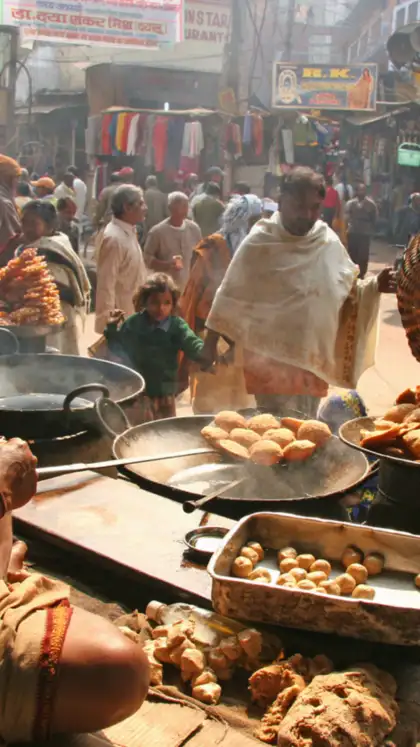
Often prepared with tap water and stored in open containers, golgappa can become a breeding ground for bacteria during monsoon, increasing the risk of stomach infections and diarrhoea.
Image Source: iStock
Chaat
Tamarind chutney and raw toppings in chaat can attract flies and germs. These uncooked ingredients tend to spoil faster in humidity, making it a risky monsoon snack.
Image Source: iStock
Pakoras from Street Carts
While pakoras are tempting in the rain, many vendors reuse cooking oil, which becomes toxic when reheated multiple times, especially in the damp, monsoon atmosphere.
Image Source: iStock
Samosas
Samosas may appear crispy, but improper storage and reuse of old oil by roadside vendors can lead to digestive issues and food poisoning.
Image Source: iStock
Fruit Chaat
Raw fruits exposed to the open air and dust can carry harmful bacteria during the rainy season. Often washed with unsafe water, they can easily trigger stomach upsets.
Image Source: iStock
Chinese Street Noodles
Often made with leftover vegetables and unhygienic water, Chinese street-style noodles become more dangerous in monsoon when bacterial growth accelerates in moist conditions.
Image Source: iStock
Ice Golas (Barf Ka Gola)
Crushed ice from unknown sources can be contaminated with E. coli or other harmful microbes, making this treat highly unsafe during the monsoon.
Image Source: iStock
Dahi Bhalla
Curd ferments quickly in the rainy season, and when kept in open containers, it can spoil easily, leading to gastrointestinal issues like bloating and diarrhoea.