8 foods that balance blood sugar naturally
ET Online
Aug 22, 2025
Why blood sugar balance matters
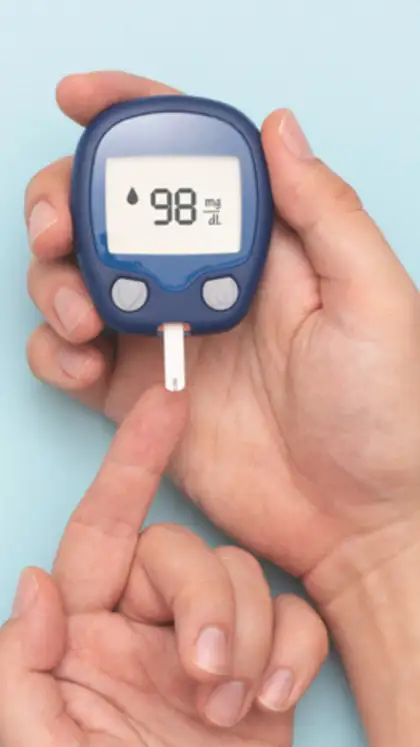
Stable glucose prevents energy crashes, cravings, and mood dips. Pairing fiber, protein, and fats slows digestion and blunts post‑meal spikes without complicated diets or strict rules.
Image Source: iStock
Oats and barley
Rich in viscous beta‑glucan fiber, they slow gastric emptying and glucose absorption. Choose steel‑cut oats or hulled barley; add protein (yogurt, eggs) for extra stability.
Image Source: iStock
Beans and lentils
High fiber and resistant starch reduce glycemic response and improve fullness. Use chickpeas, black beans, or lentils in salads, soups, and bowls to stabilize meals.
Image Source: iStock
Leafy greens and crucifers
Spinach, kale, broccoli, and cauliflower add fiber, magnesium, and sulforaphane‑rich compounds that support insulin sensitivity. Start meals with a salad or sautéed greens.
Image Source: iStock
Berries
Blueberries, strawberries, and raspberries deliver fiber and polyphenols that temper glucose rises when paired with carbs. Add to oats, yogurt, or cottage cheese.
Image Source: iStock
Nuts and seeds
Almonds, walnuts, pistachios, chia, and flax provide healthy fats, protein, and magnesium. A small handful before or with carbs lowers post‑meal glucose response.
Image Source: iStock
Greek yogurt and cottage cheese
Protein‑dense with minimal sugar, they slow carbohydrate absorption and curb hunger. Top with berries and chia; choose unsweetened versions to avoid hidden sugars.
Image Source: iStock
Vinegar and fermented foods
A tablespoon of apple cider or wine vinegar before meals can reduce post‑prandial glucose. Fermented foods like yogurt, kefir, and kimchi support metabolic health.
Image Source: iStock
Avocado and olive oil
Monounsaturated fats improve meal glycemic profile and satiety. Add avocado to toast and bowls; dress salads and cooked veggies with extra‑virgin olive oil.
Image Source: iStock
Thanks For Reading!